

Power
Transformer
- Cooling: ONAN / ONAF
- Winding: Copper or aluminium
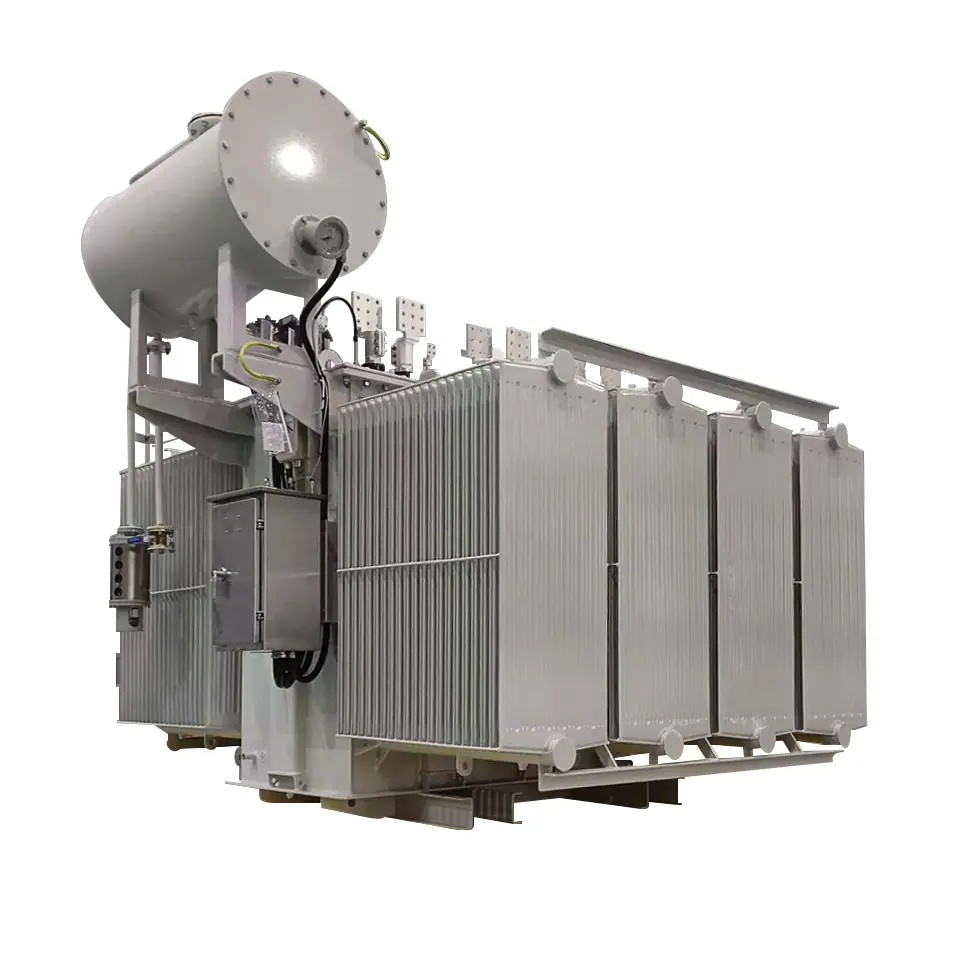
Three-phase power transformers for substations, generating stations and large industrial intake, built to your single-line diagram.


Dry type
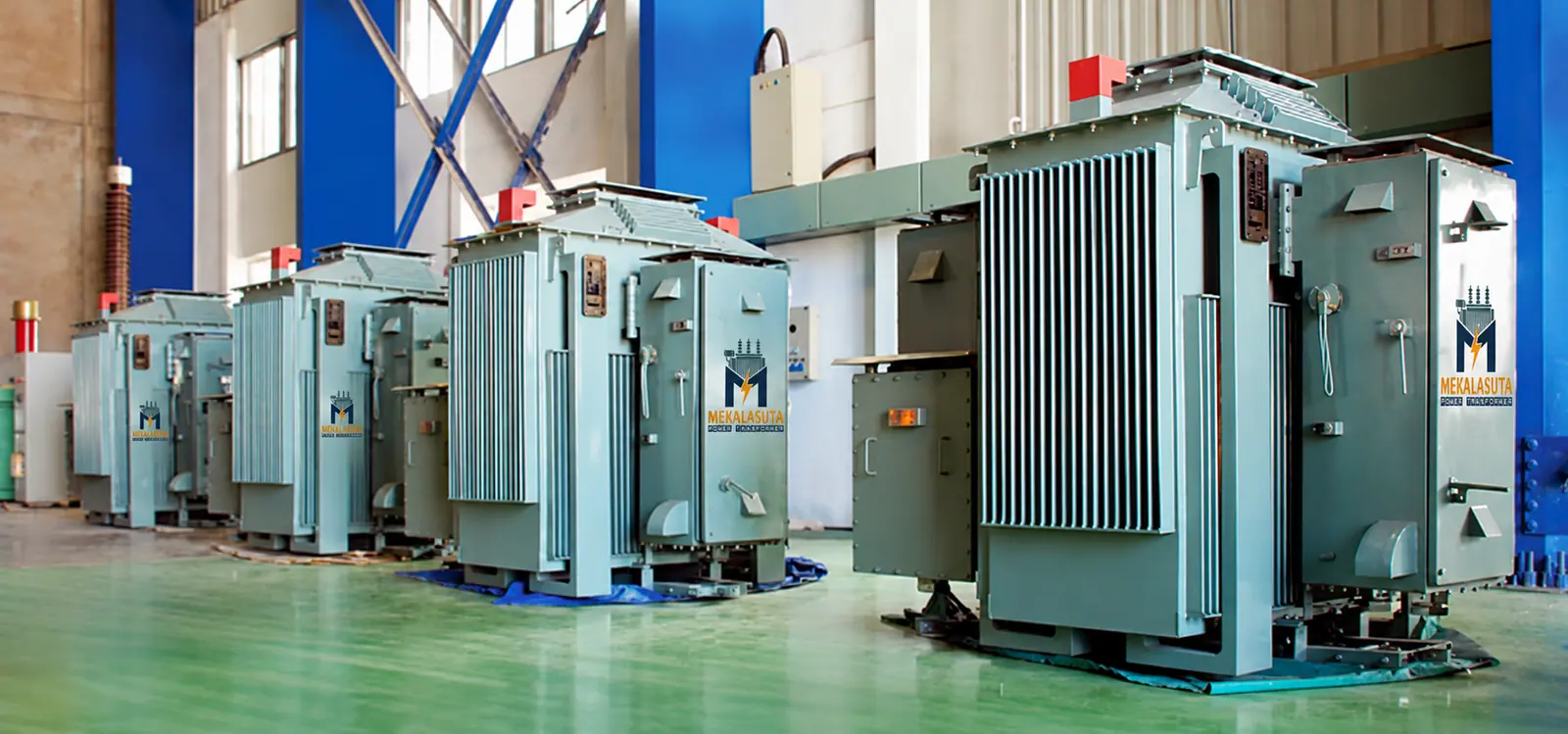
Vacuum-pressure-impregnated dry type transformers for indoor, fire-sensitive and safety-critical installations where an oil-filled tank is not acceptable.
Product Overview
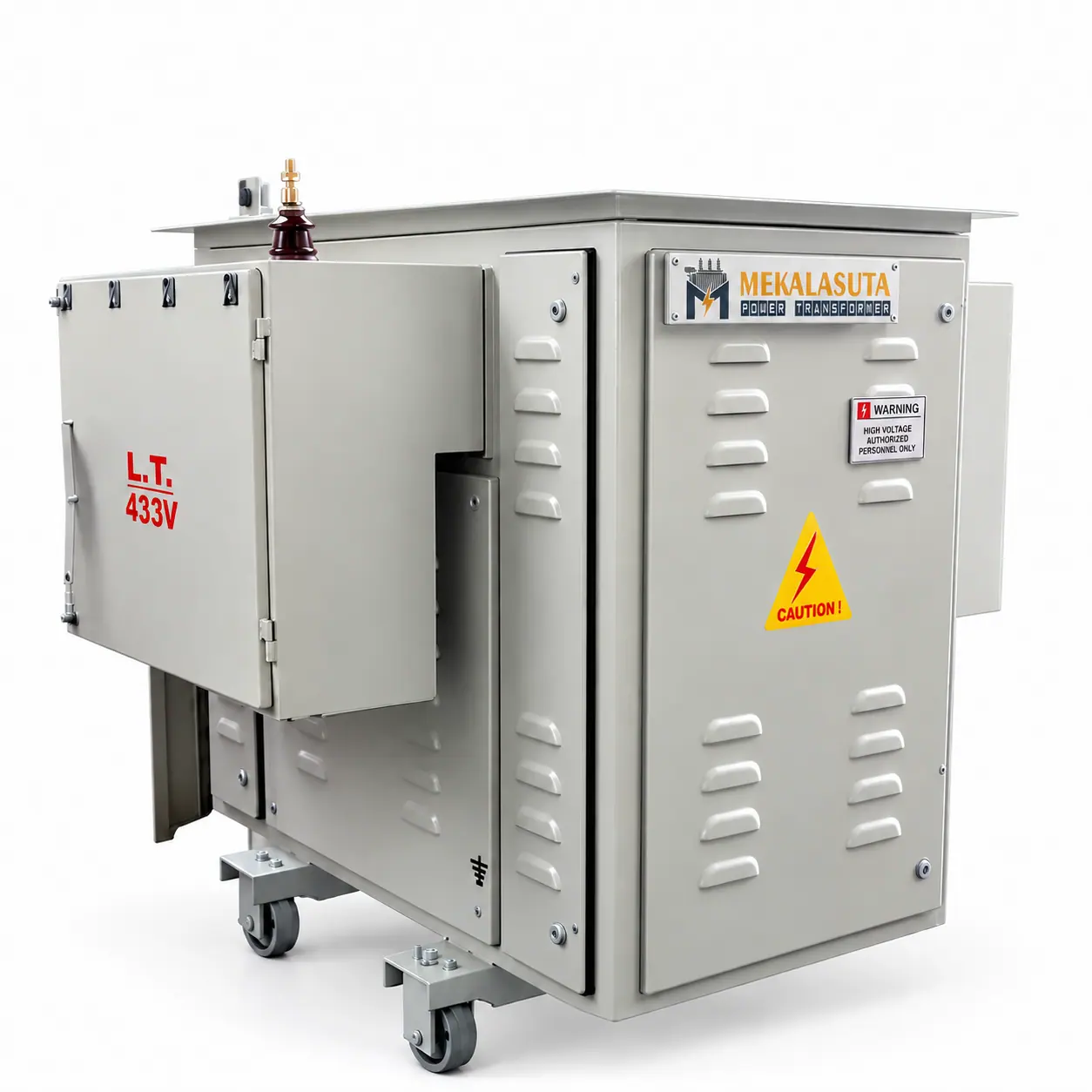
Where a transformer has to sit inside an occupied building — a basement substation, a hospital, a metro station, a high-rise — the fire load of an oil-filled tank is often ruled out by the fire consultant before the electrical design even starts. Dry type transformers remove that objection while still meeting the same duty.
Without oil to carry heat away, the cooling path and insulation class carry the whole thermal design, so ventilation and enclosure details matter as much as the active parts. Windings use vacuum-pressure-impregnated (VPI) fibreglass-epoxy insulation for moisture resistance and a strong impulse withstand. We need the room dimensions and available ventilation before finalising a dry type design.
Ratings are built to order. Tell us the duty and we will confirm what is achievable.

Fibreglass epoxy (VPI)

Off-circuit, ±5% / ±7.5%

ISO 9001:2015

In-house, Surat
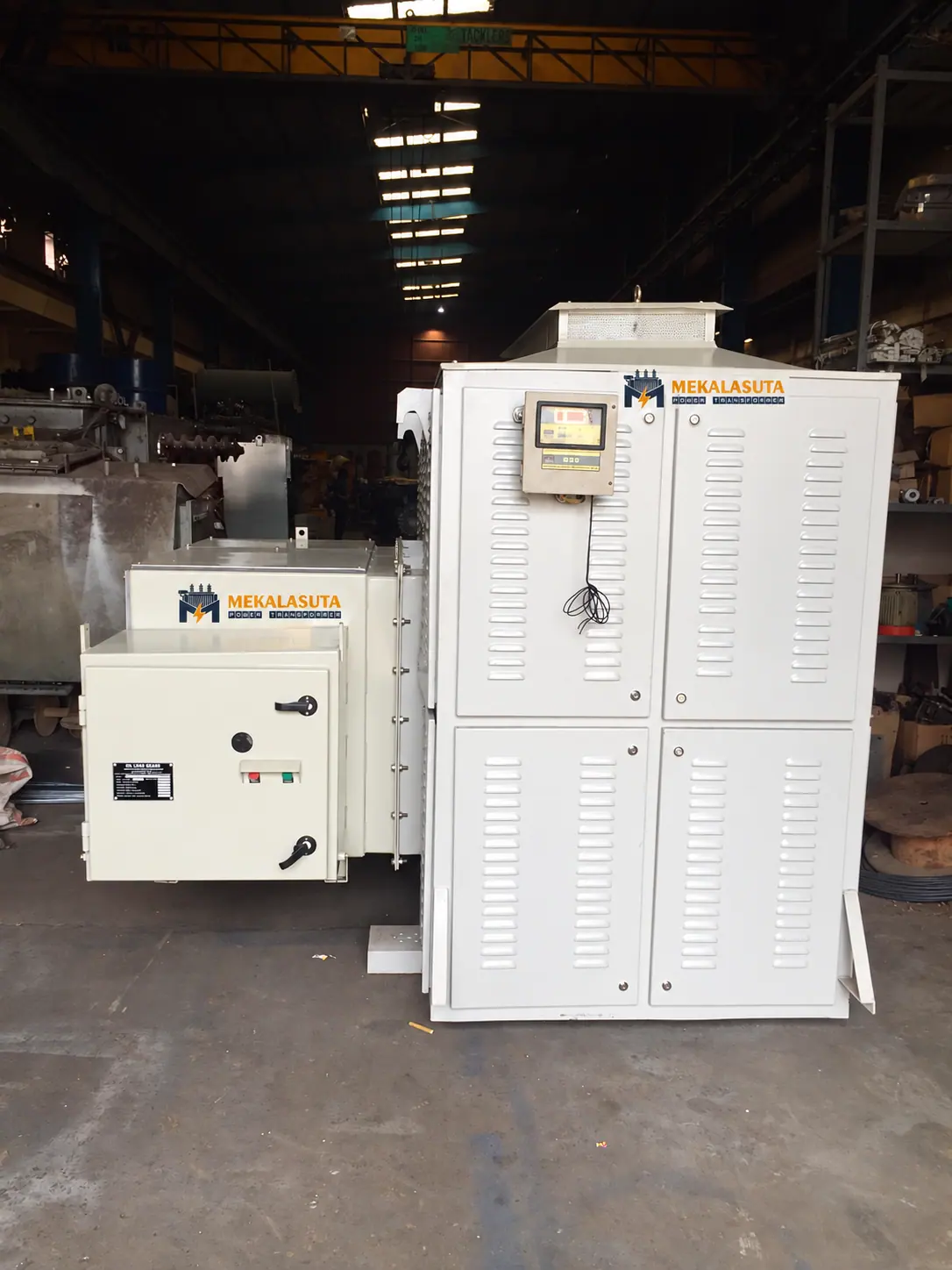
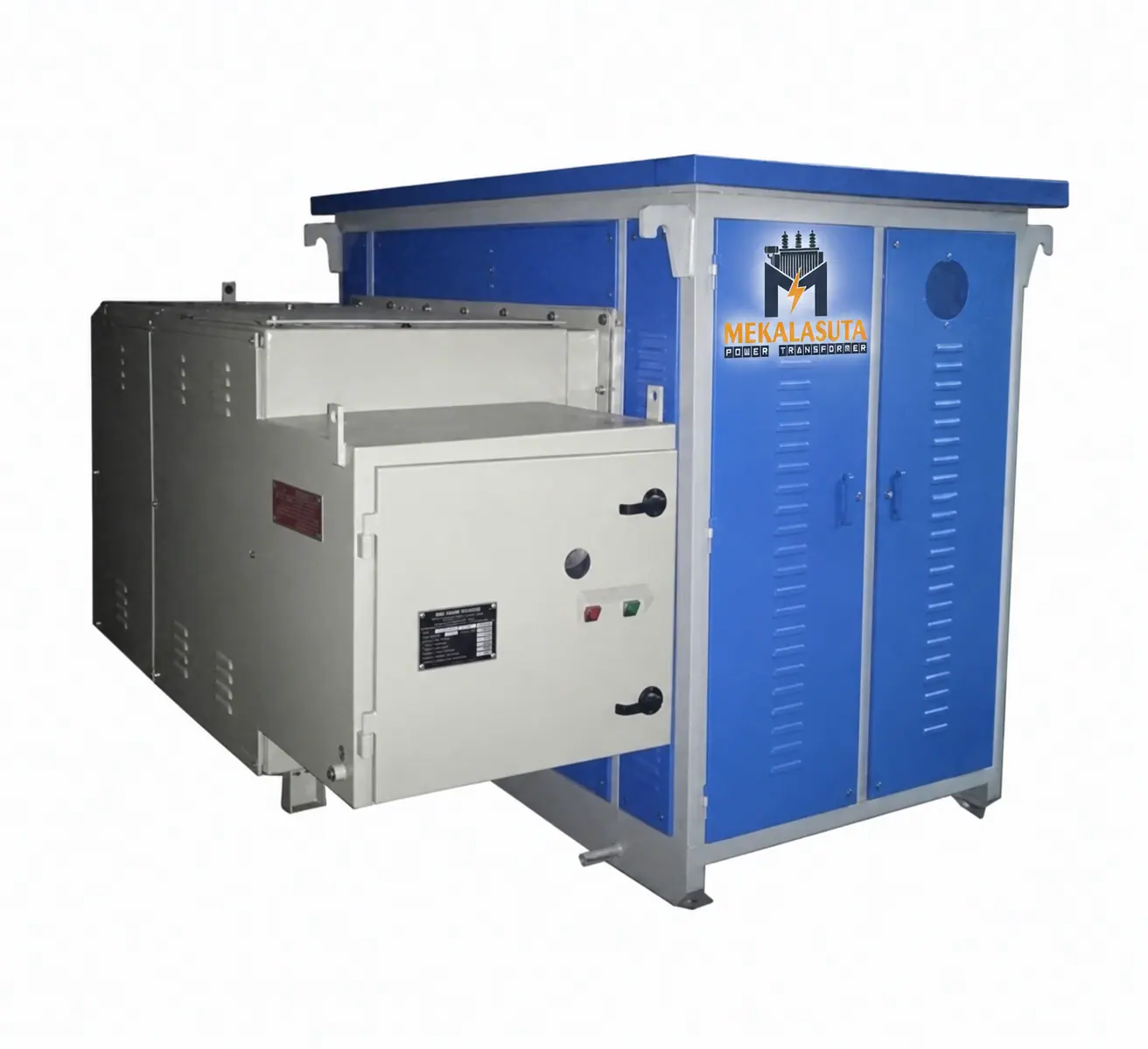
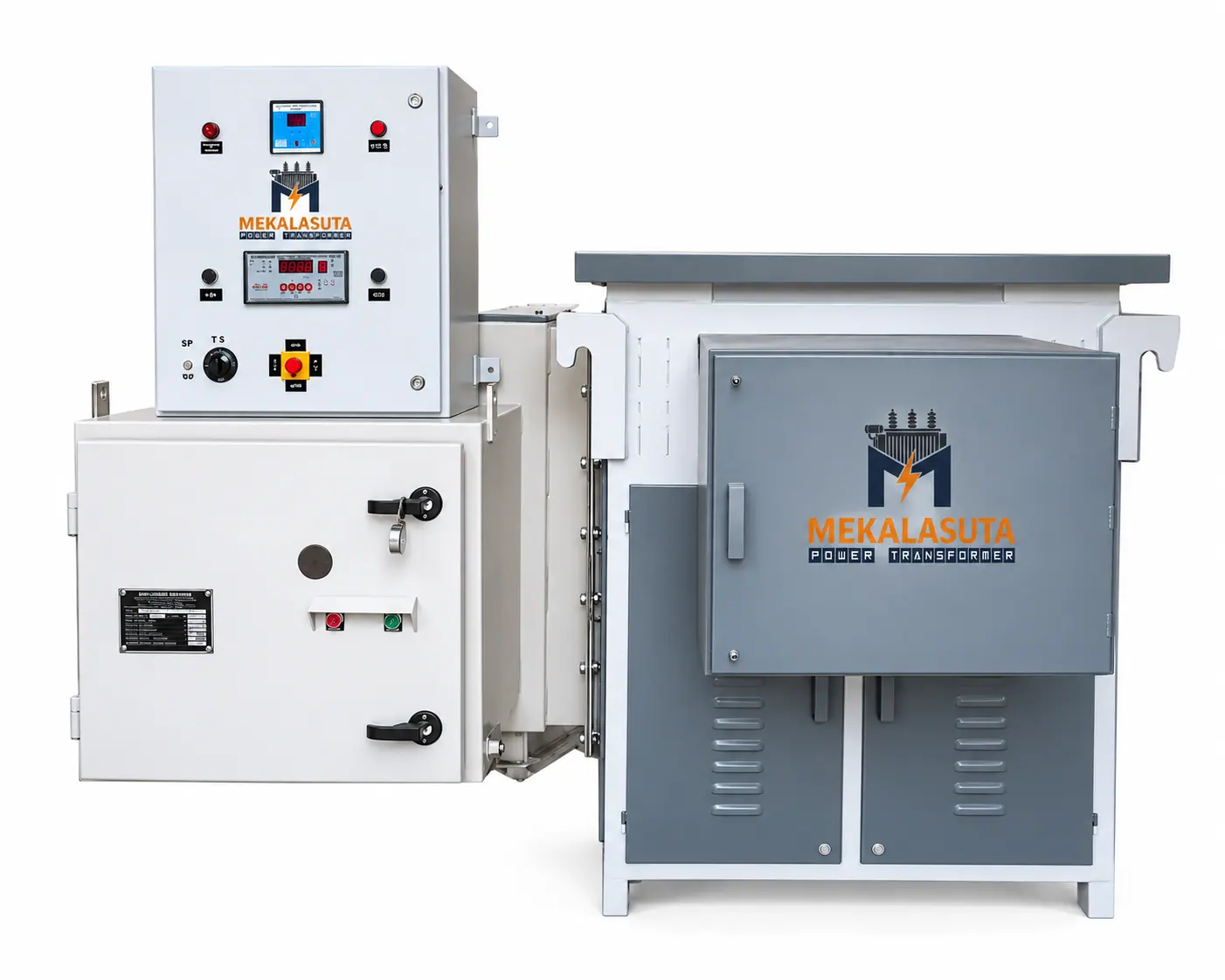
Equipment
Three-phase power transformers for substations, generating stations and large industrial intake, built to your single-line diagram.
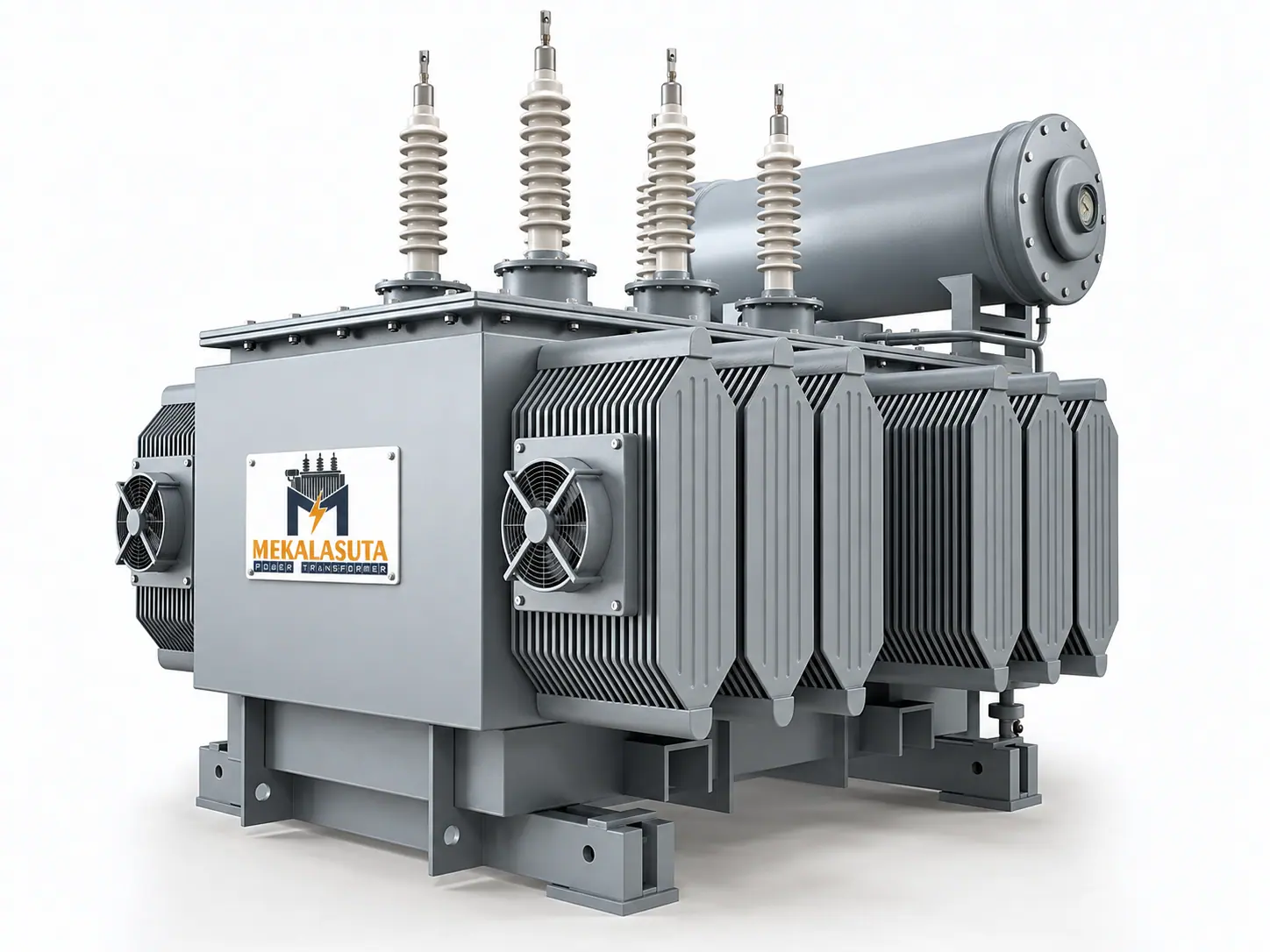
Three-phase and single-phase distribution transformers for feeders, industrial estates and township supplies, specified for load pattern not just nameplate rating.
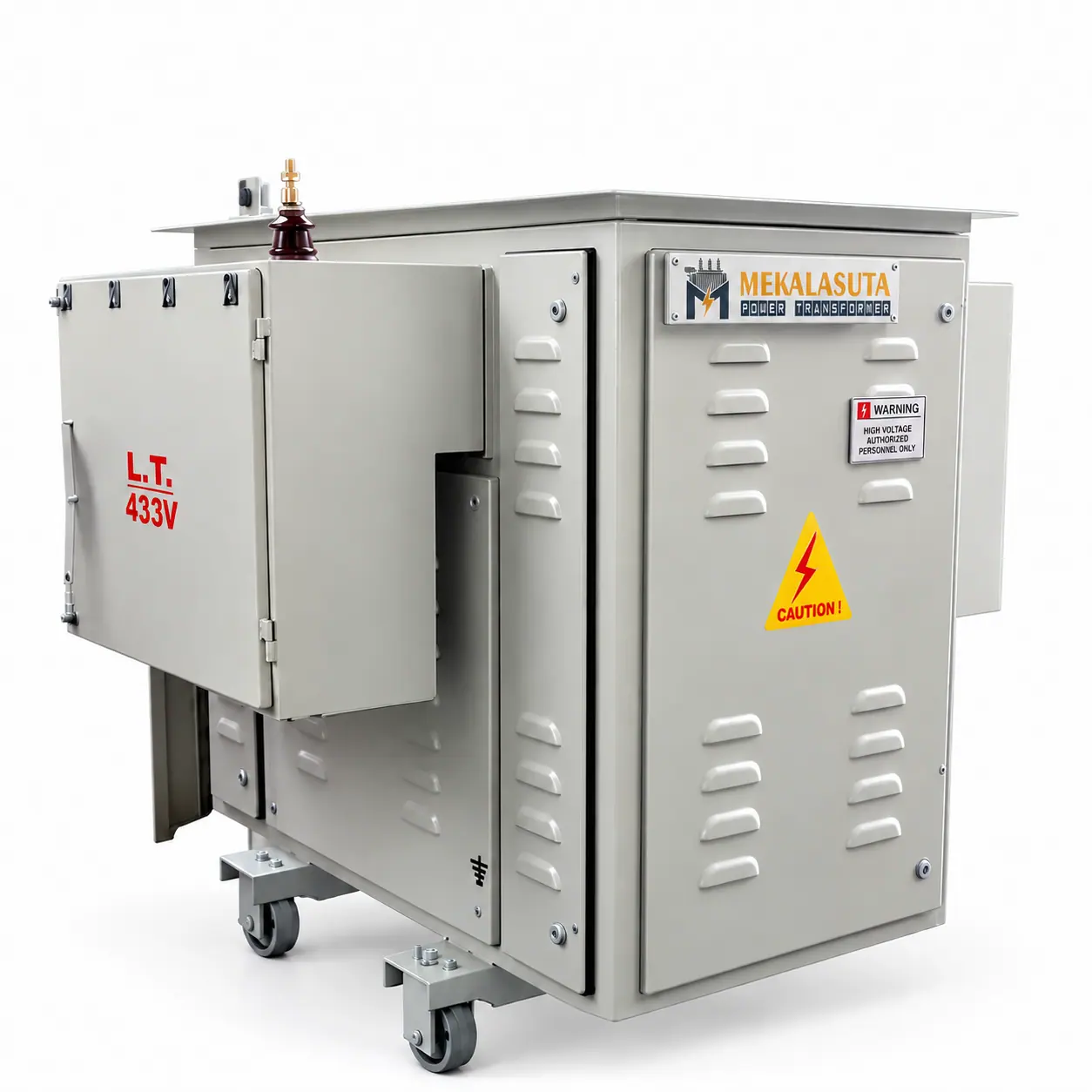
Vacuum-pressure-impregnated dry type transformers for indoor, fire-sensitive and safety-critical installations where an oil-filled tank is not acceptable.
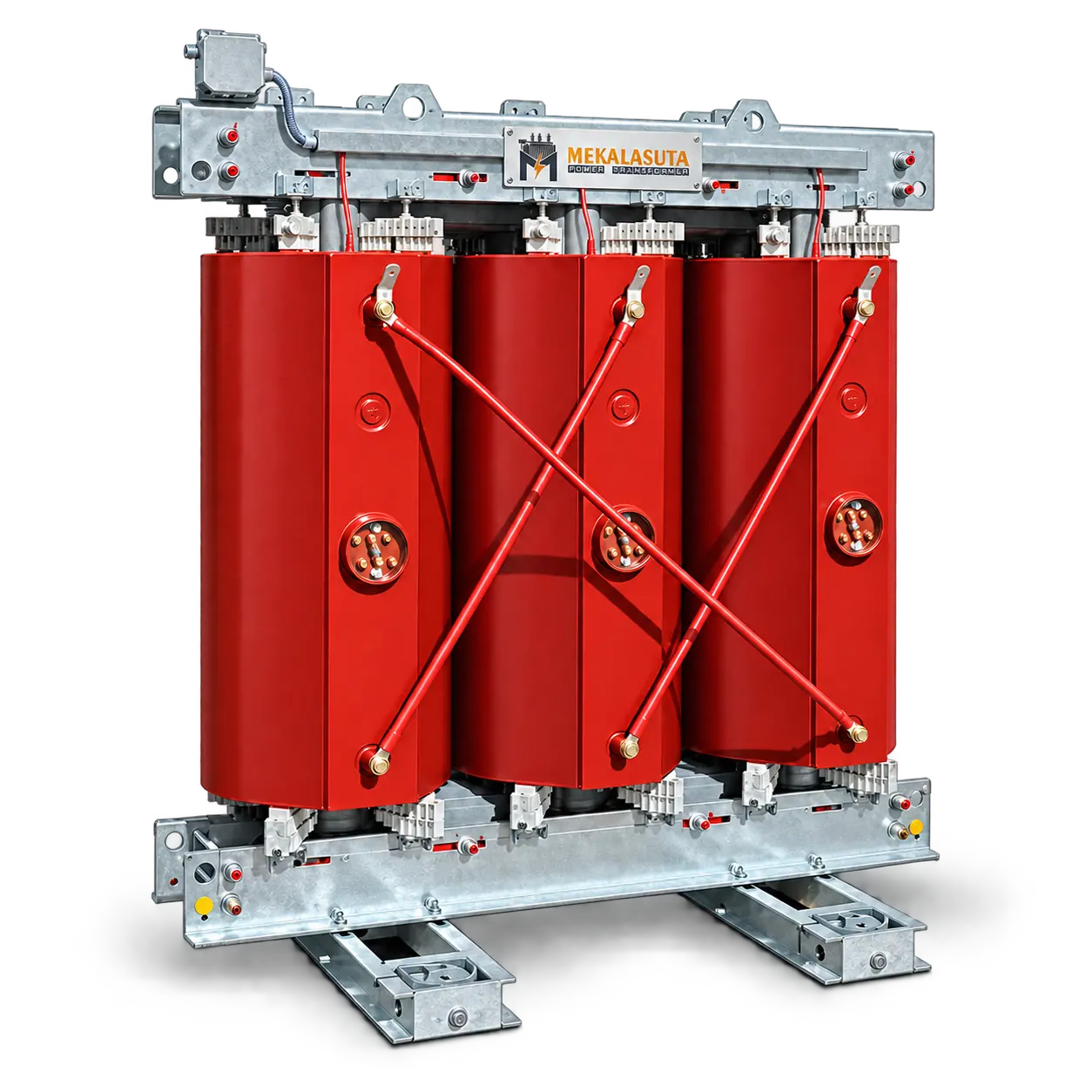
Epoxy cast resin dry type transformers with encapsulated windings: no cooling oil, no fire-proof vault, for indoor and corrosive-atmosphere installations.
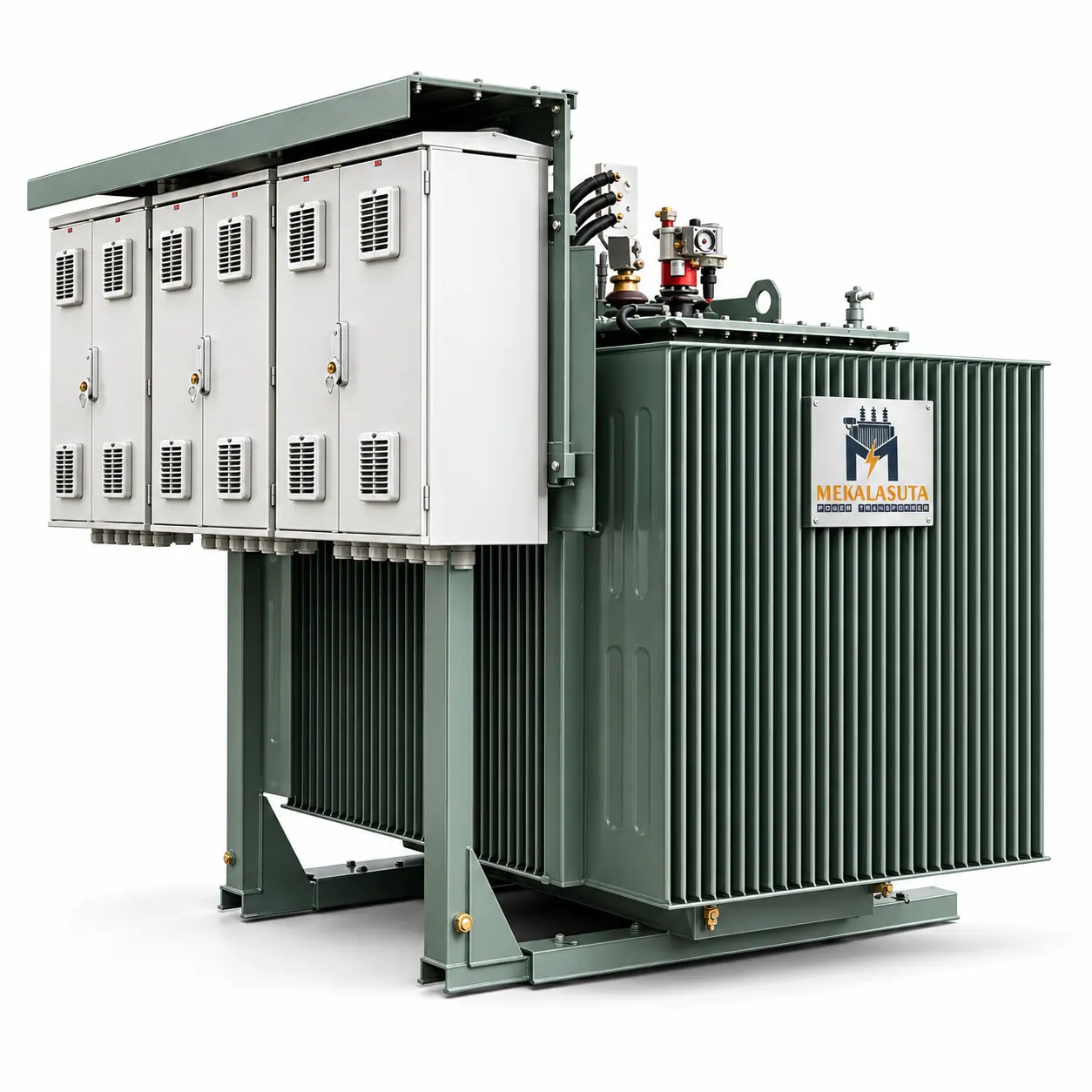
Custom oil-cooled and air-cooled transformers for non-standard requirements: furnace, welding, earthing, auto and rectifier duty among them.
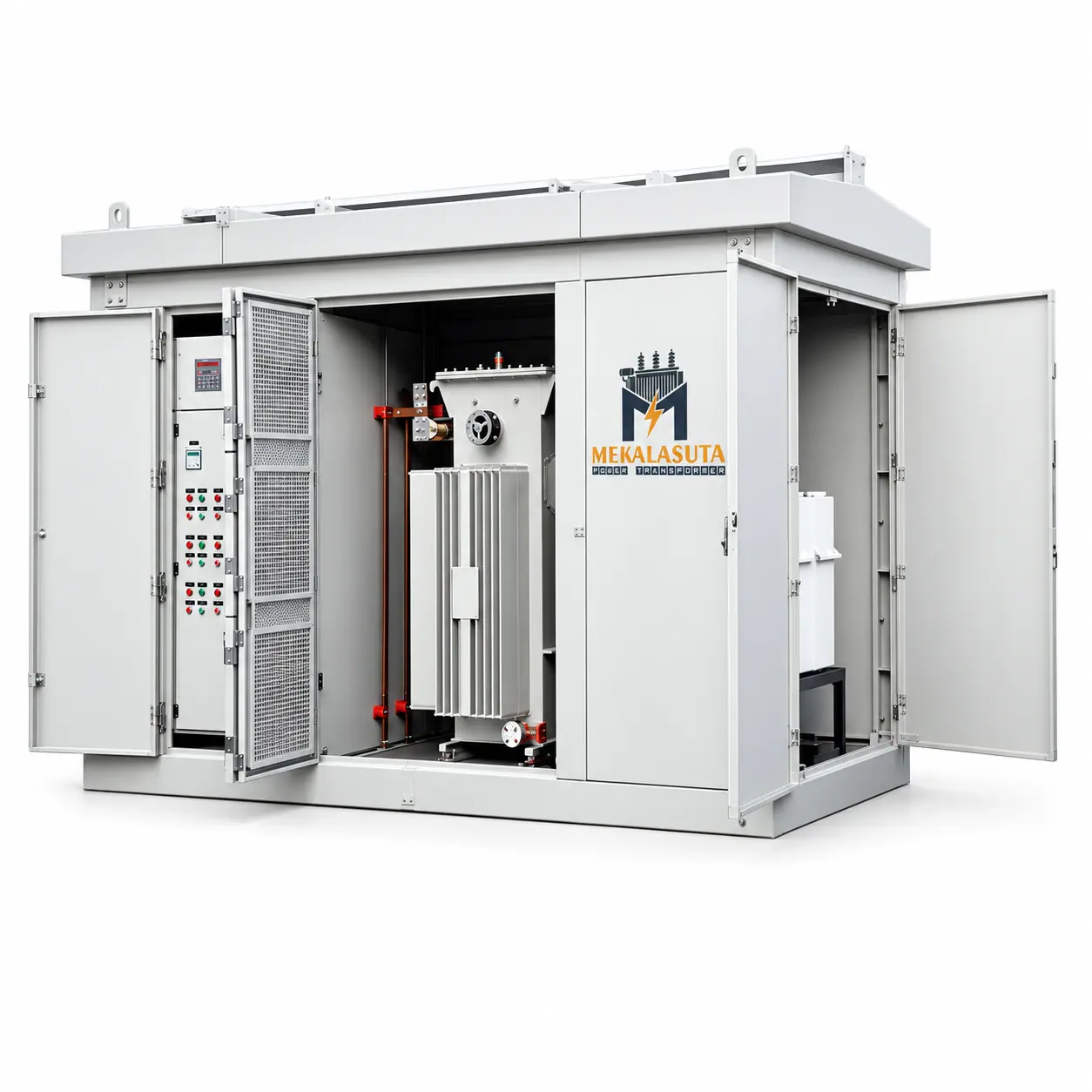
Factory-assembled, ready-to-install substations combining MV switchgear, transformer and LV switchboard in a single compact enclosure.
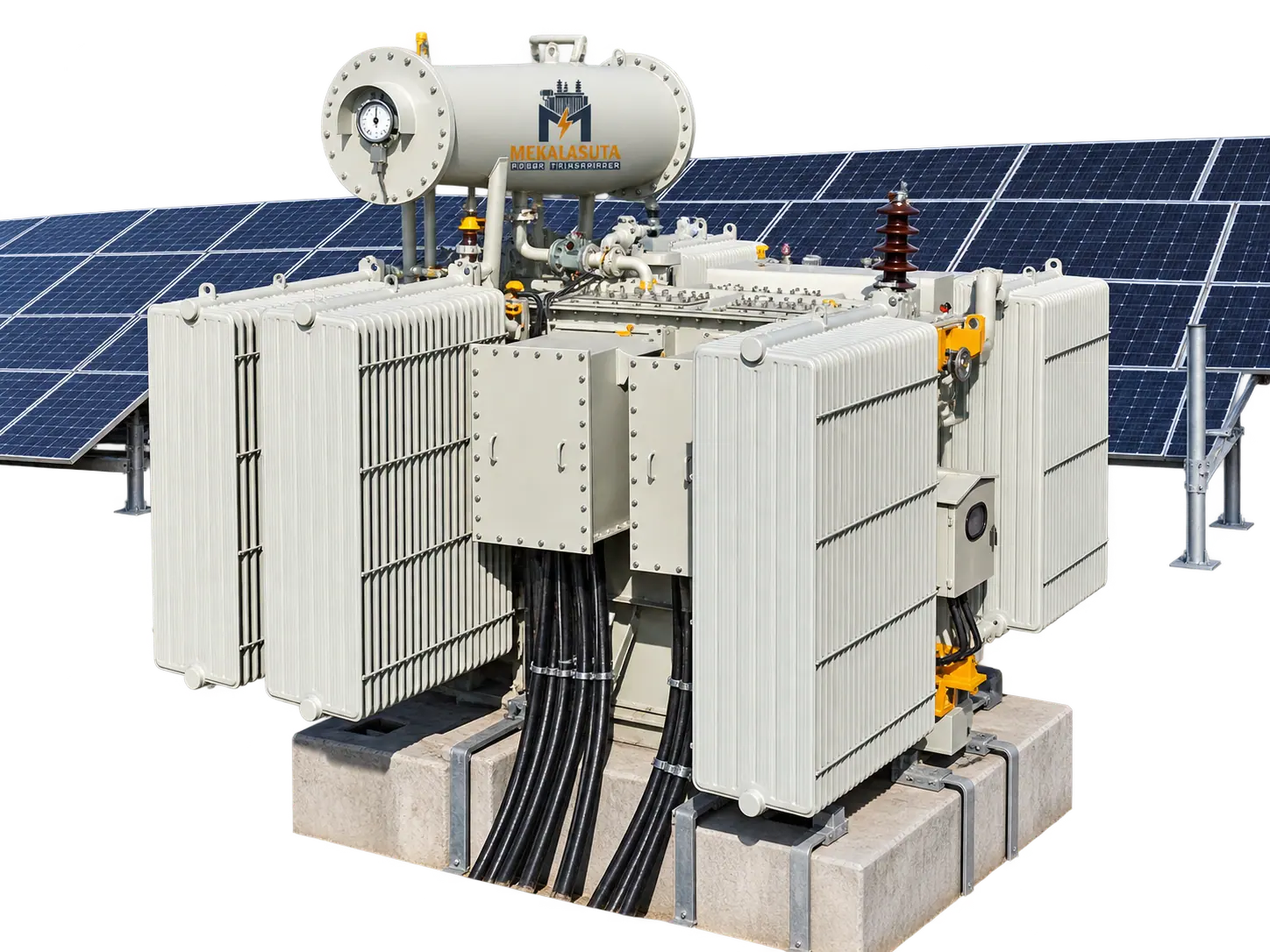
Inverter duty transformers (IDT) for solar and wind plants, designed around a duty cycle that swings every day and harmonic loading from the inverter.
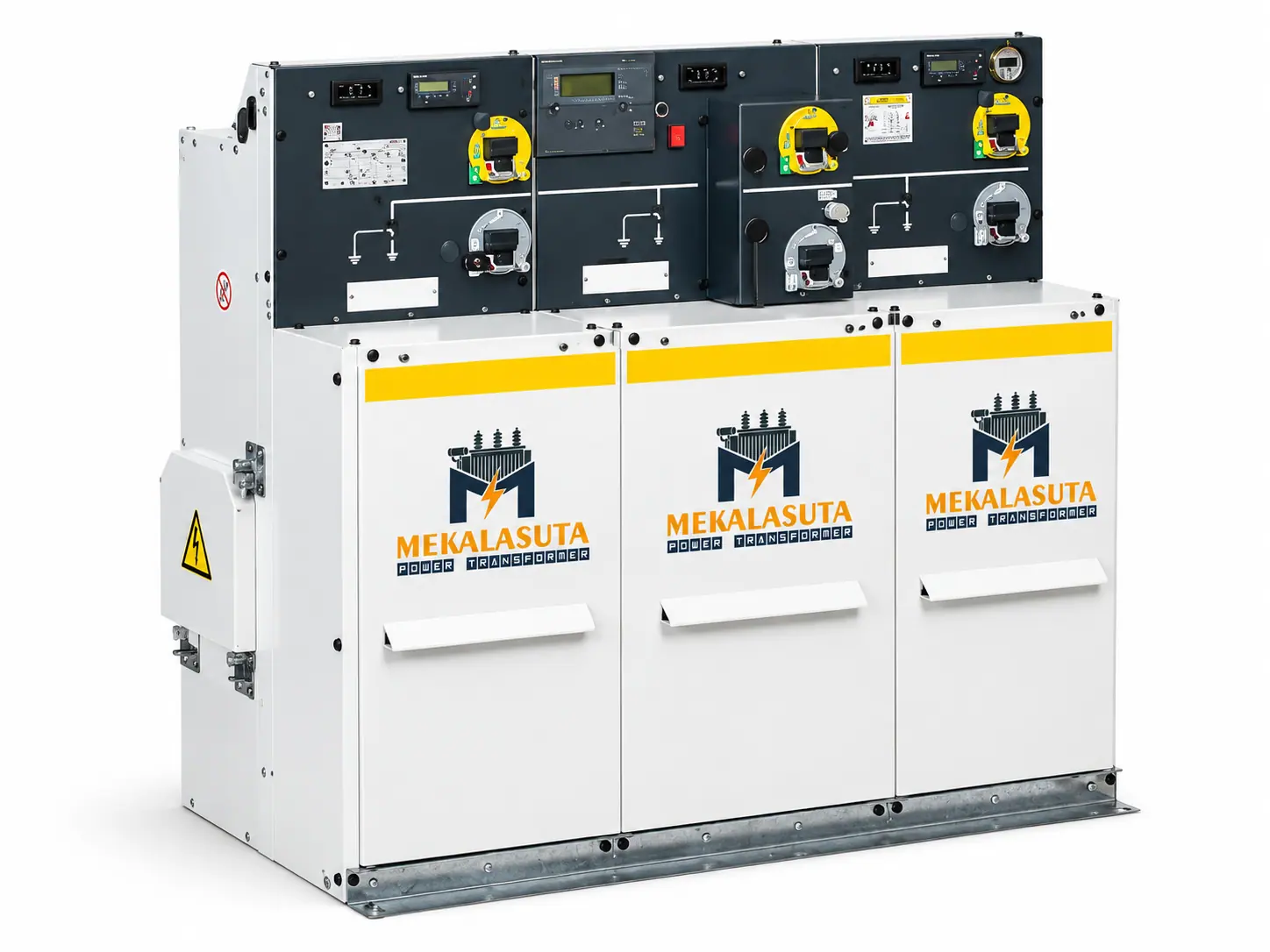
Metal-clad ring main units for medium-voltage secondary distribution networks, protecting downstream transformers with load-break and circuit-breaker switching.
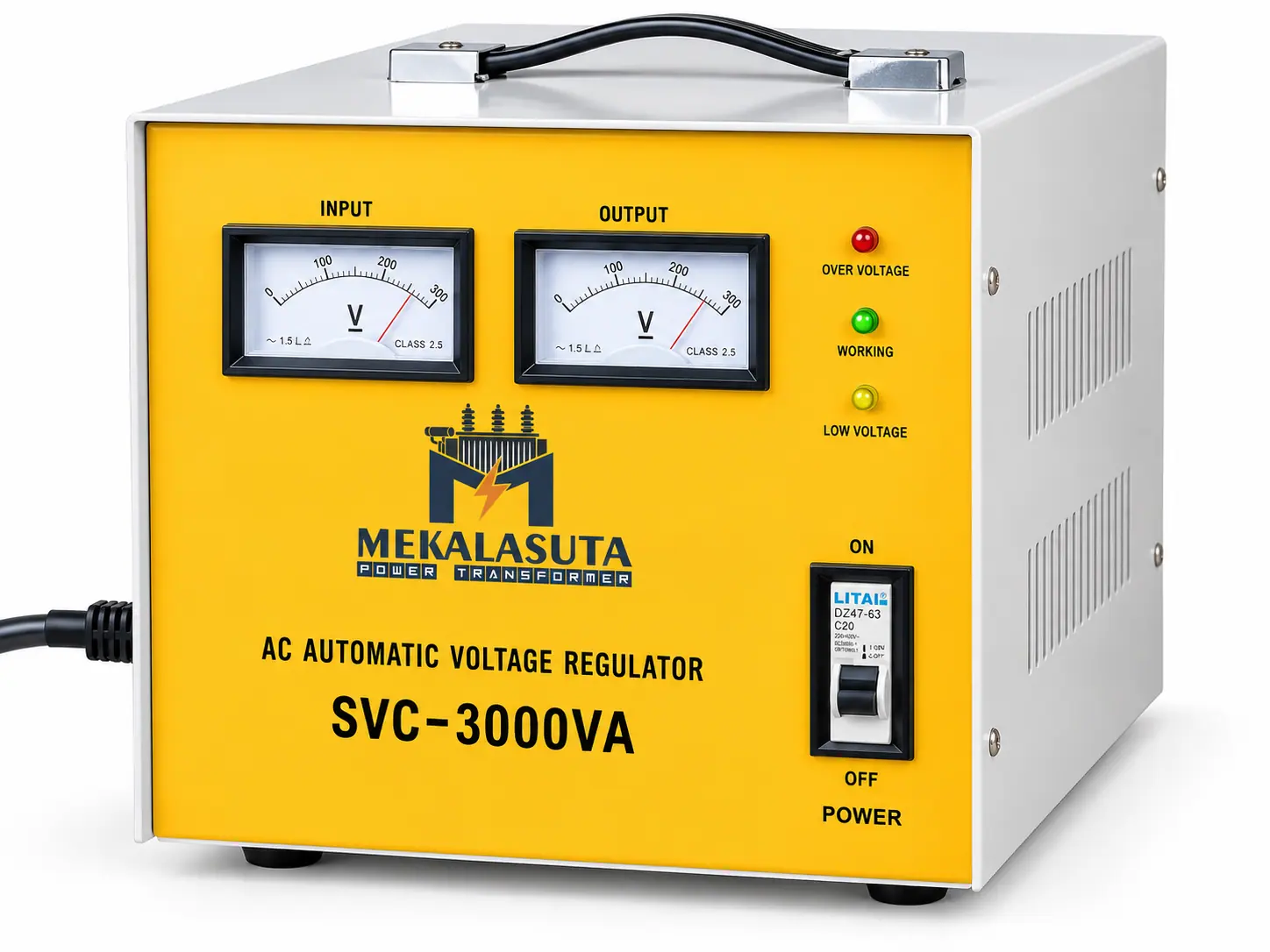
Automatic voltage correction for sites on weak or swinging feeders, sized to connected load and worst-case input, not nameplate alone.
End-to-end substation and distribution project execution: design, supply, erection, testing and commissioning under one point of accountability.
Frequently Asked Questions
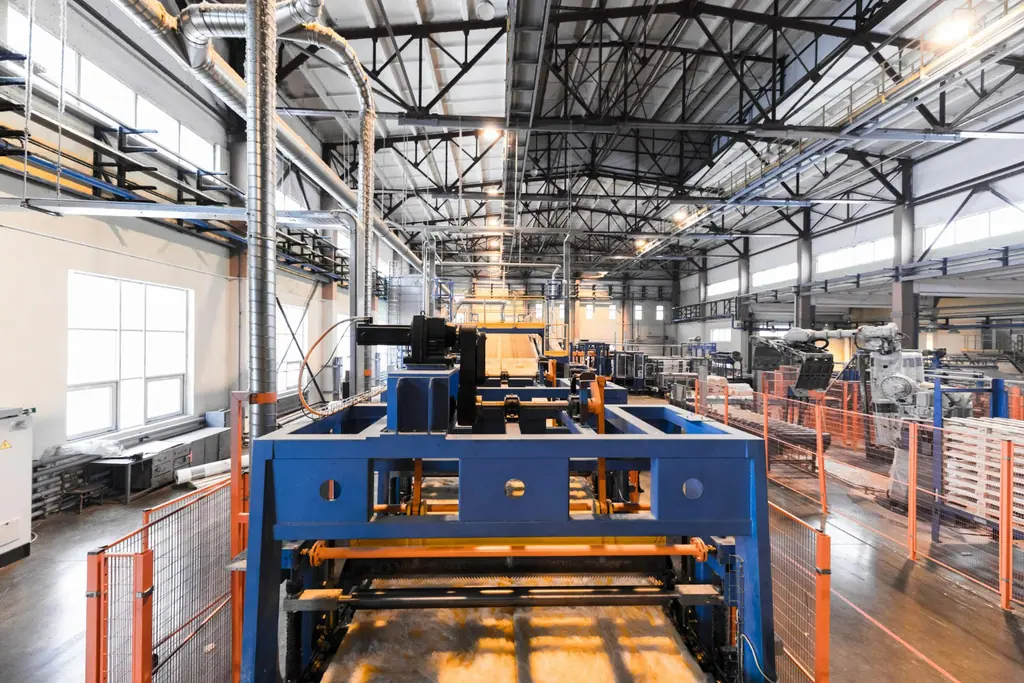
Dry type is the usual choice for indoor plant rooms, basements, high-rise buildings and any site where a fire-sensitive occupancy rules out an oil-filled tank. Read our note on oil-filled vs dry type for the full comparison — the decision is rarely about the transformer alone.
Vacuum Pressure Impregnation forces resin varnish through the winding under vacuum and pressure, sealing out moisture and giving the winding mechanical rigidity without a cast resin shell. It is the standard construction method for open-wound dry type transformers.
Considerably less than an oil-filled unit — there is no oil to sample or filter — but winding cleanliness, terminations and temperature monitoring still need periodic attention. See our maintenance schedule for what a realistic inspection interval looks like.
Both are oil-free, but construction differs: dry type (VPI) windings are varnish-impregnated and open to air; cast resin windings are fully encapsulated in solid epoxy. Cast resin costs more but tolerates harsher, more corrosive or humid atmospheres.
Get in touch
Tell us about your project and our engineering team will help you identify the right equipment or custom solution.