

Power
Transformer
- Cooling: ONAN / ONAF
- Winding: Copper or aluminium
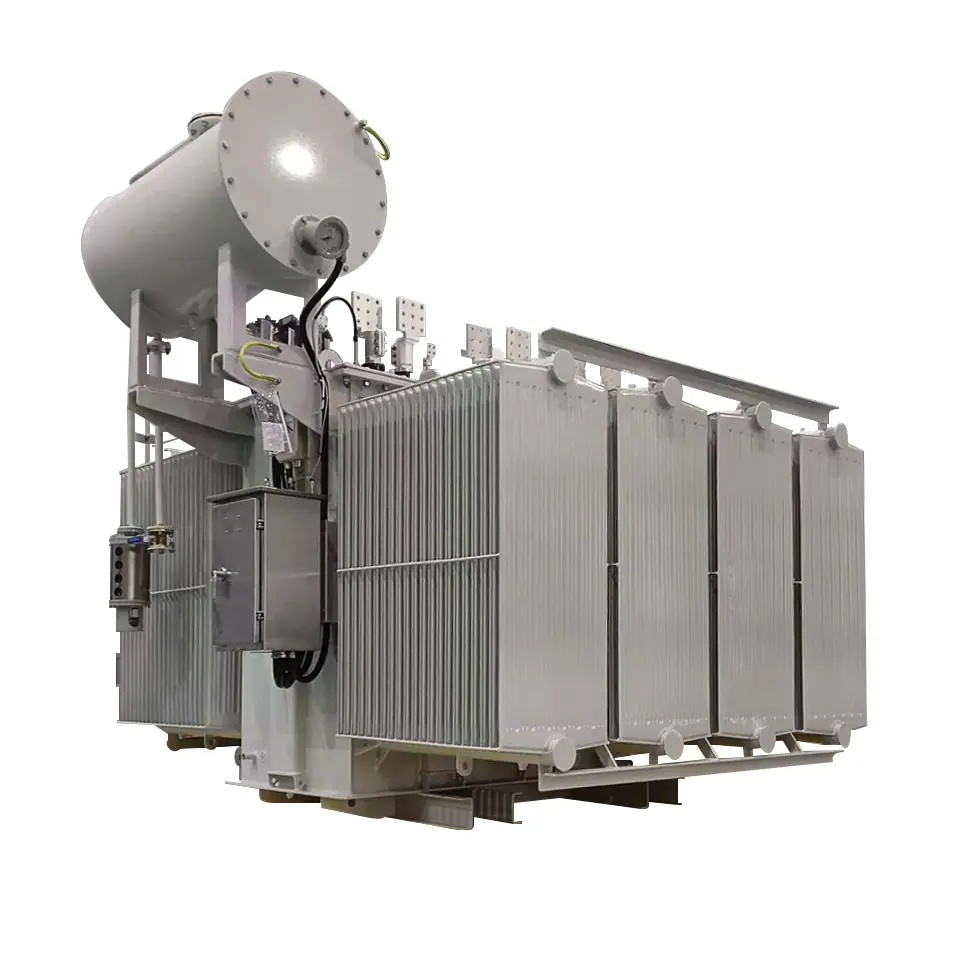
Three-phase power transformers for substations, generating stations and large industrial intake, built to your single-line diagram.


Renewables
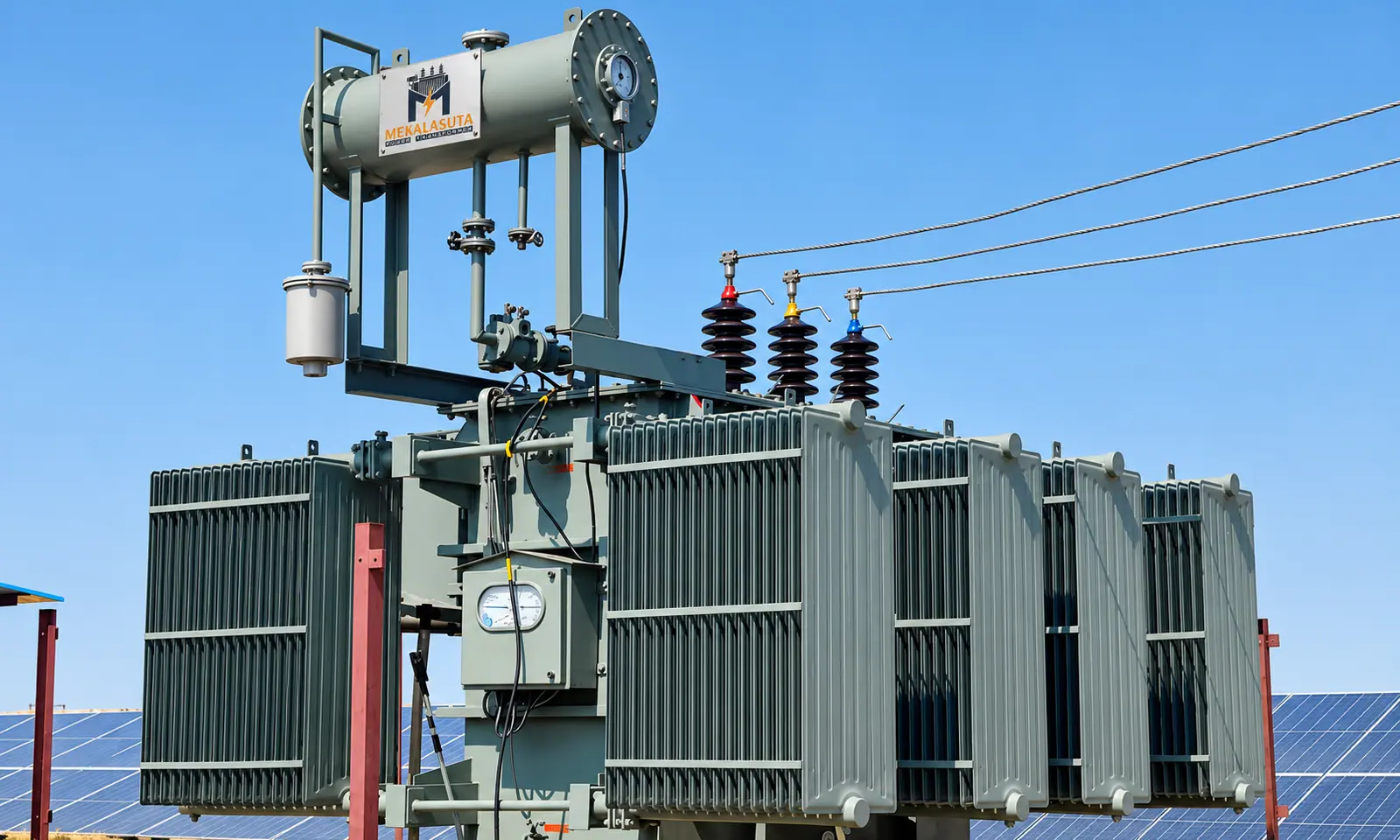
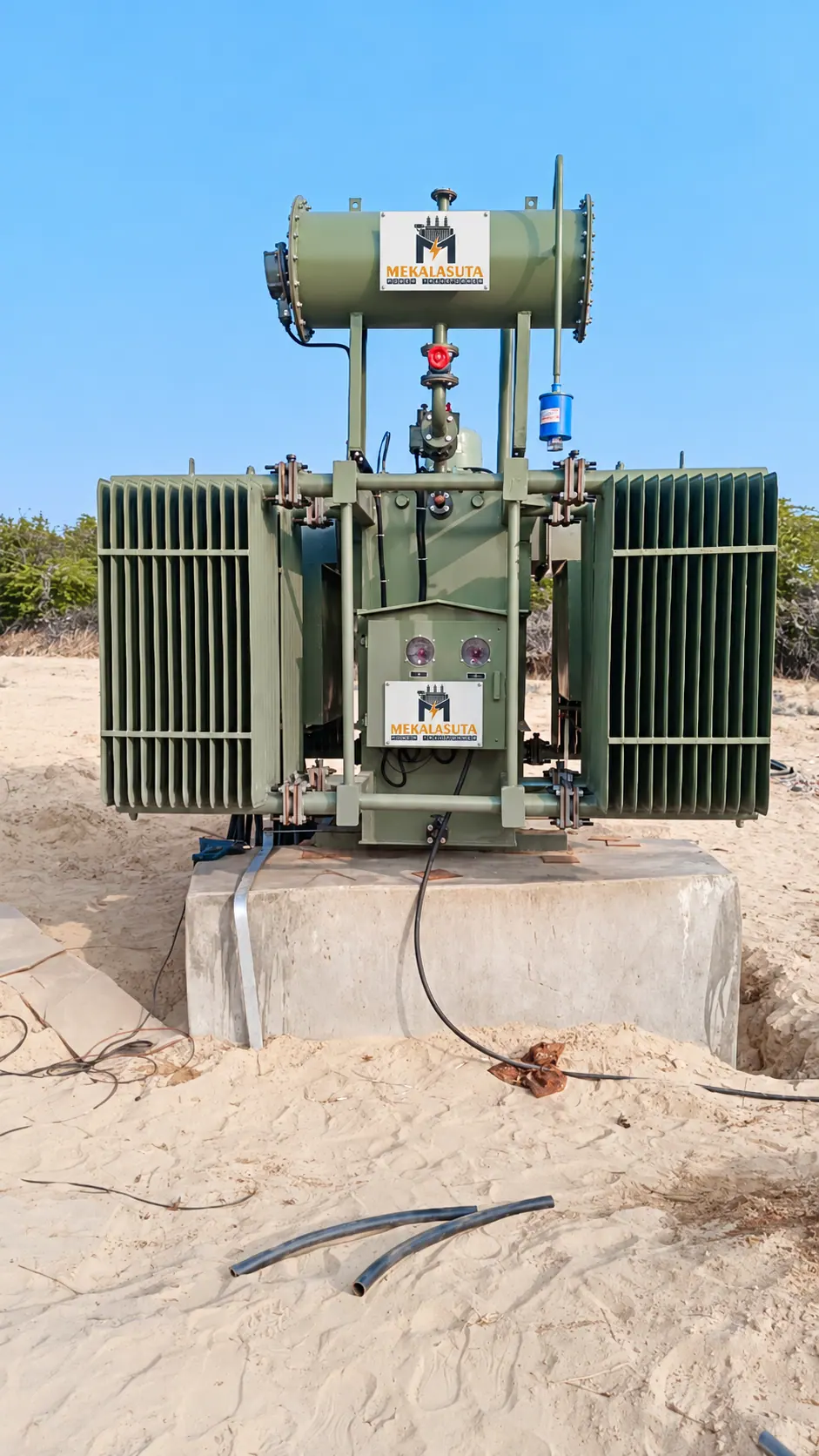
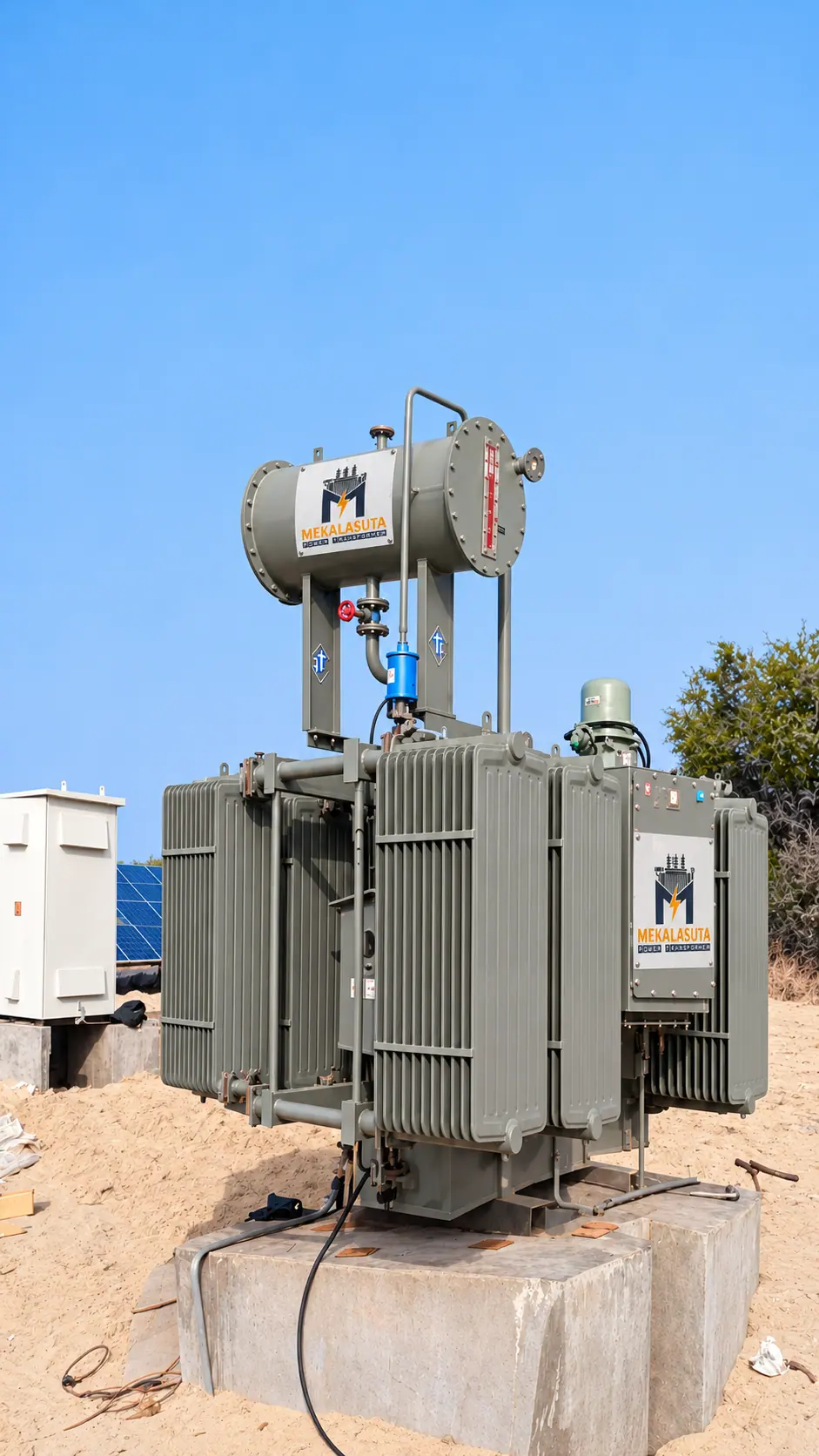
Inverter duty transformers (IDT) for solar and wind plants, designed around a duty cycle that swings every day and harmonic loading from the inverter.
Product Overview
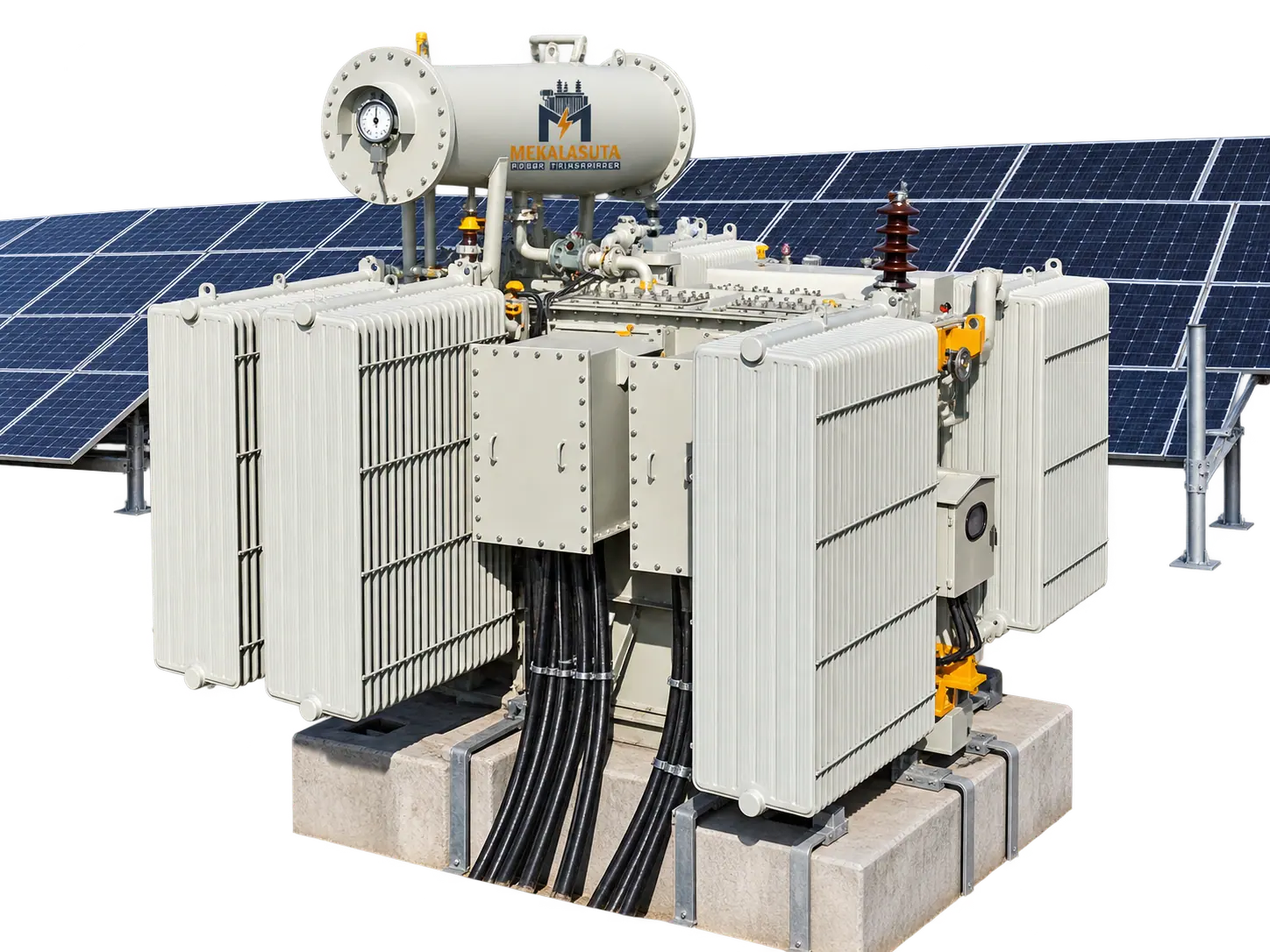
A solar step-up transformer is energised at dawn, ramps to full load by midday, backs off through the afternoon and sits at no load all night — every day for twenty-five years. That is a very different thermal and mechanical life from a substation unit that runs flat, and the inverter's harmonic output adds a loading pattern a standard design does not allow for.
Inverter duty transformer (IDT) design means low no-load loss, because the unit spends a lot of its life idling, and tolerance of the harmonic content the inverter puts out. For plants at remote sites we also specify the tank and paint system for the actual environment — desert dust and coastal salt are not the same problem — and enclosures are corrosion-resistant for unattended outdoor duty.
Ratings are built to order. Tell us the duty and we will confirm what is achievable.

Single-phase or three-phase

Single, dual or split

ISO 9001:2015

In-house, Surat
Equipment
Three-phase power transformers for substations, generating stations and large industrial intake, built to your single-line diagram.
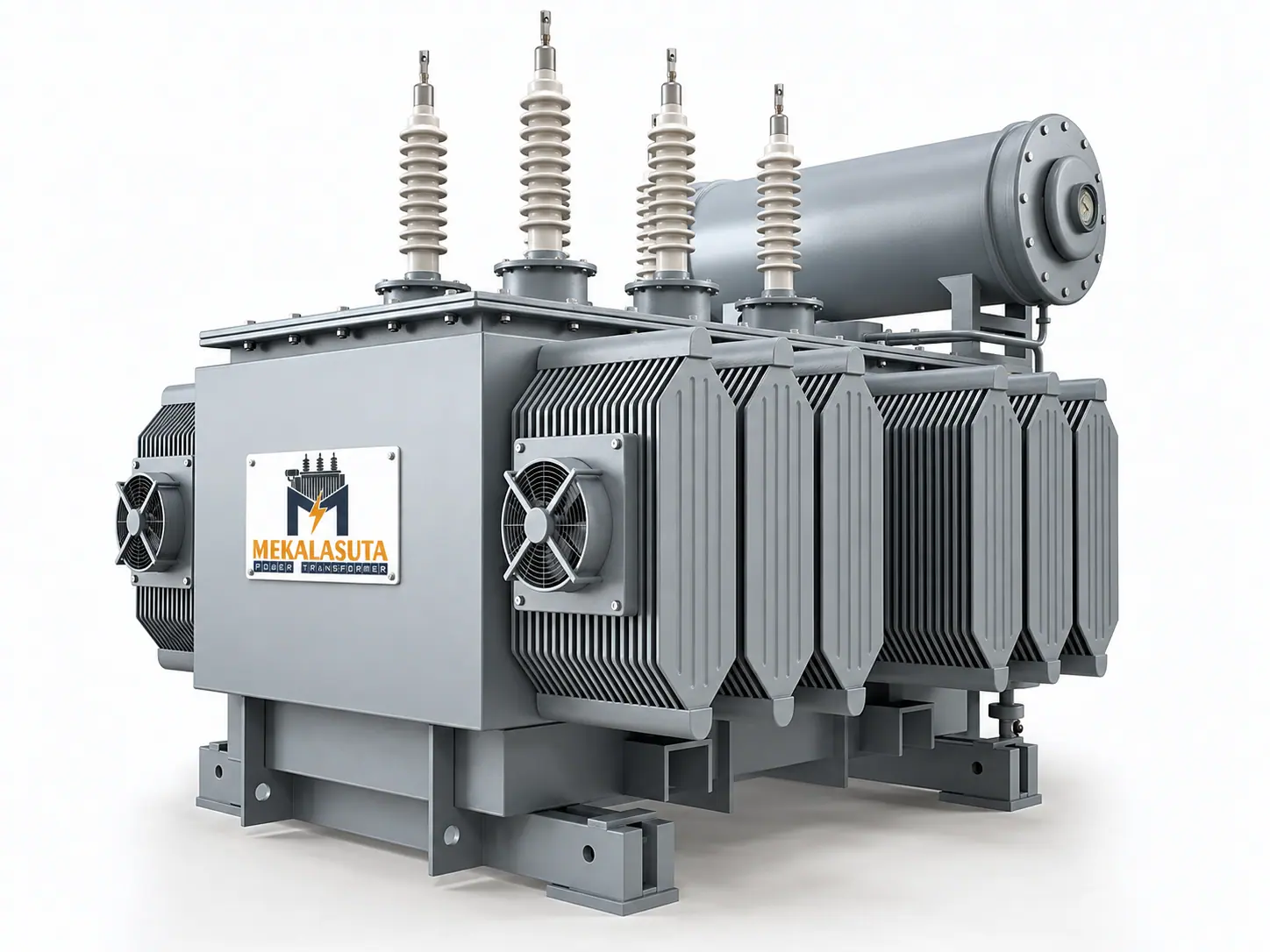
Three-phase and single-phase distribution transformers for feeders, industrial estates and township supplies, specified for load pattern not just nameplate rating.
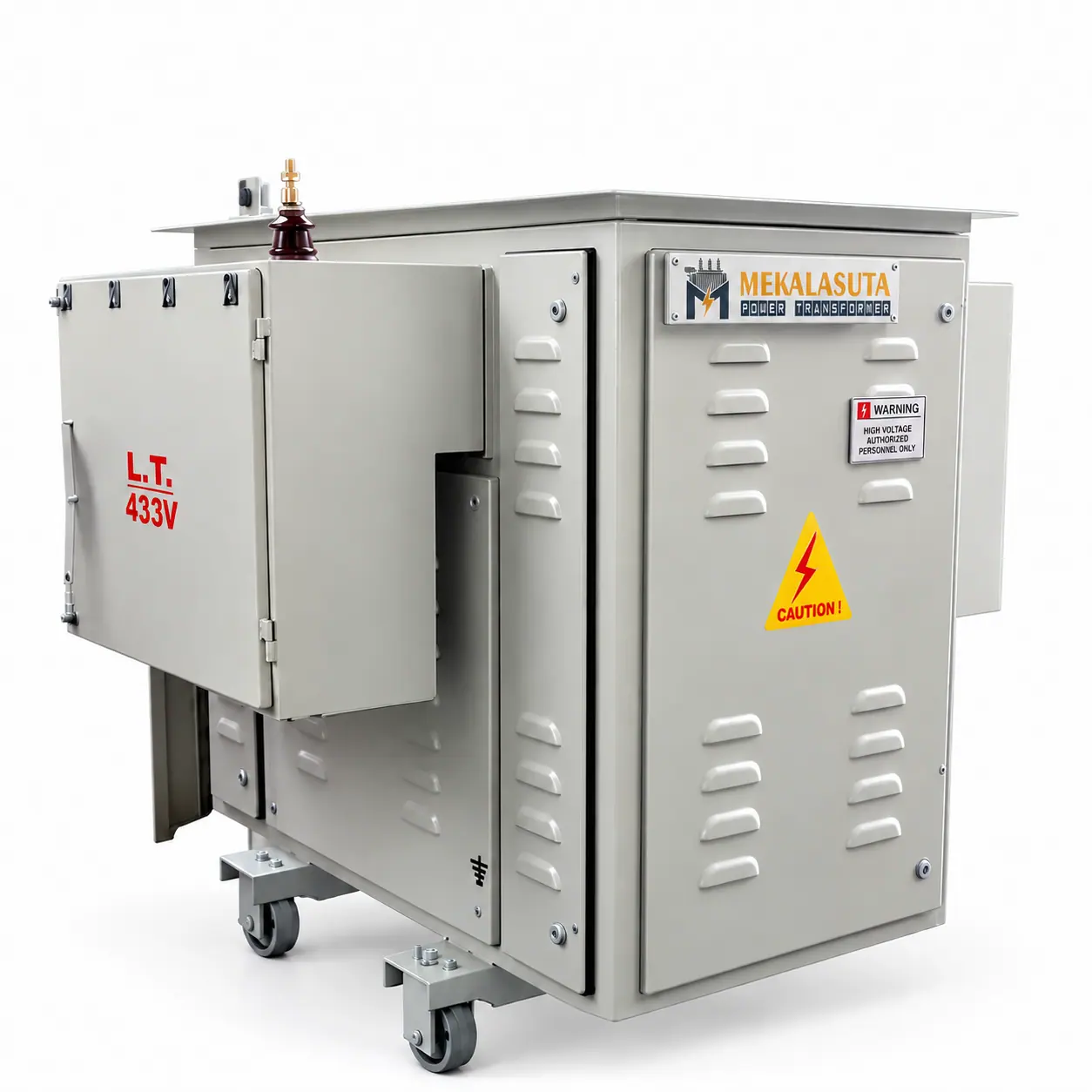
Vacuum-pressure-impregnated dry type transformers for indoor, fire-sensitive and safety-critical installations where an oil-filled tank is not acceptable.
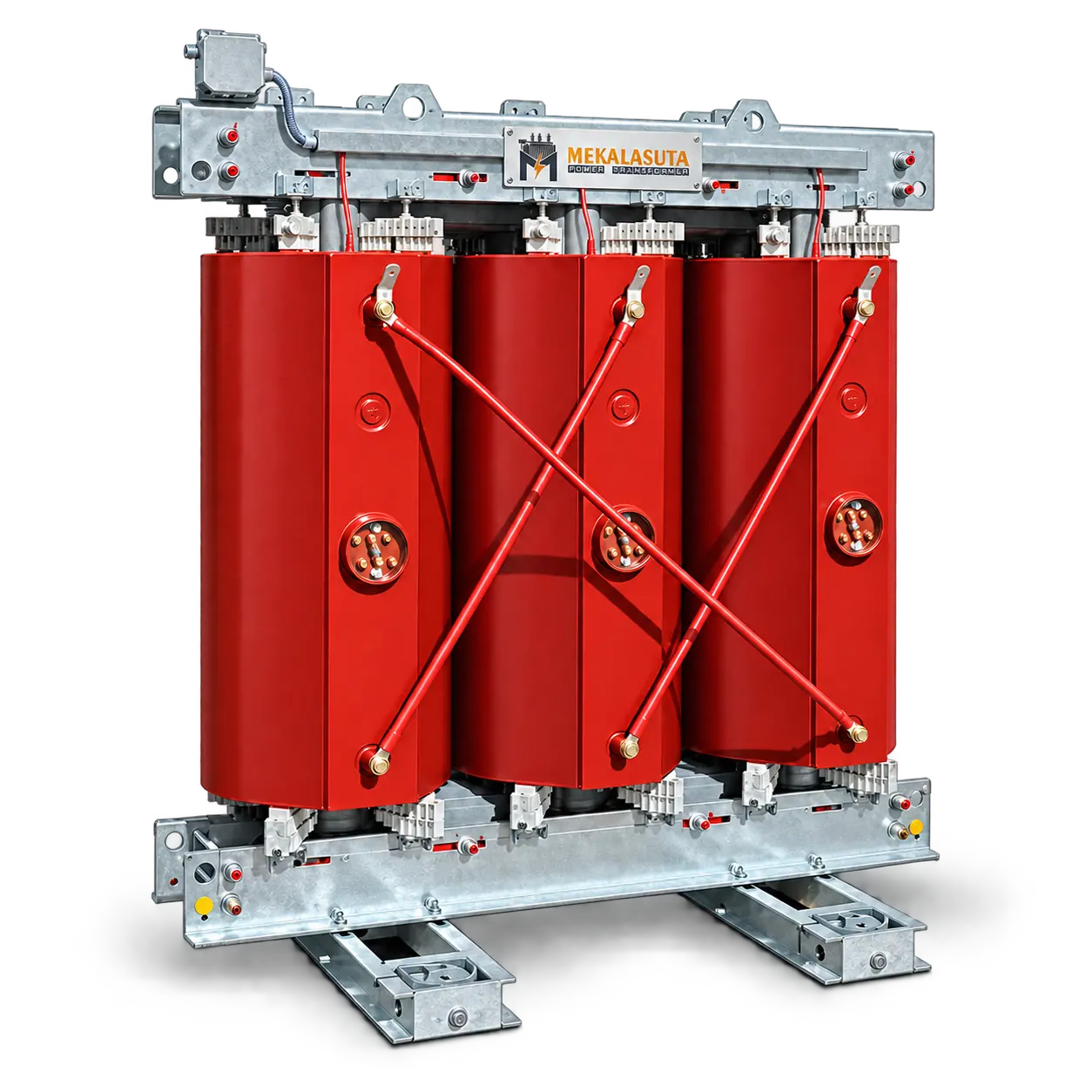
Epoxy cast resin dry type transformers with encapsulated windings: no cooling oil, no fire-proof vault, for indoor and corrosive-atmosphere installations.
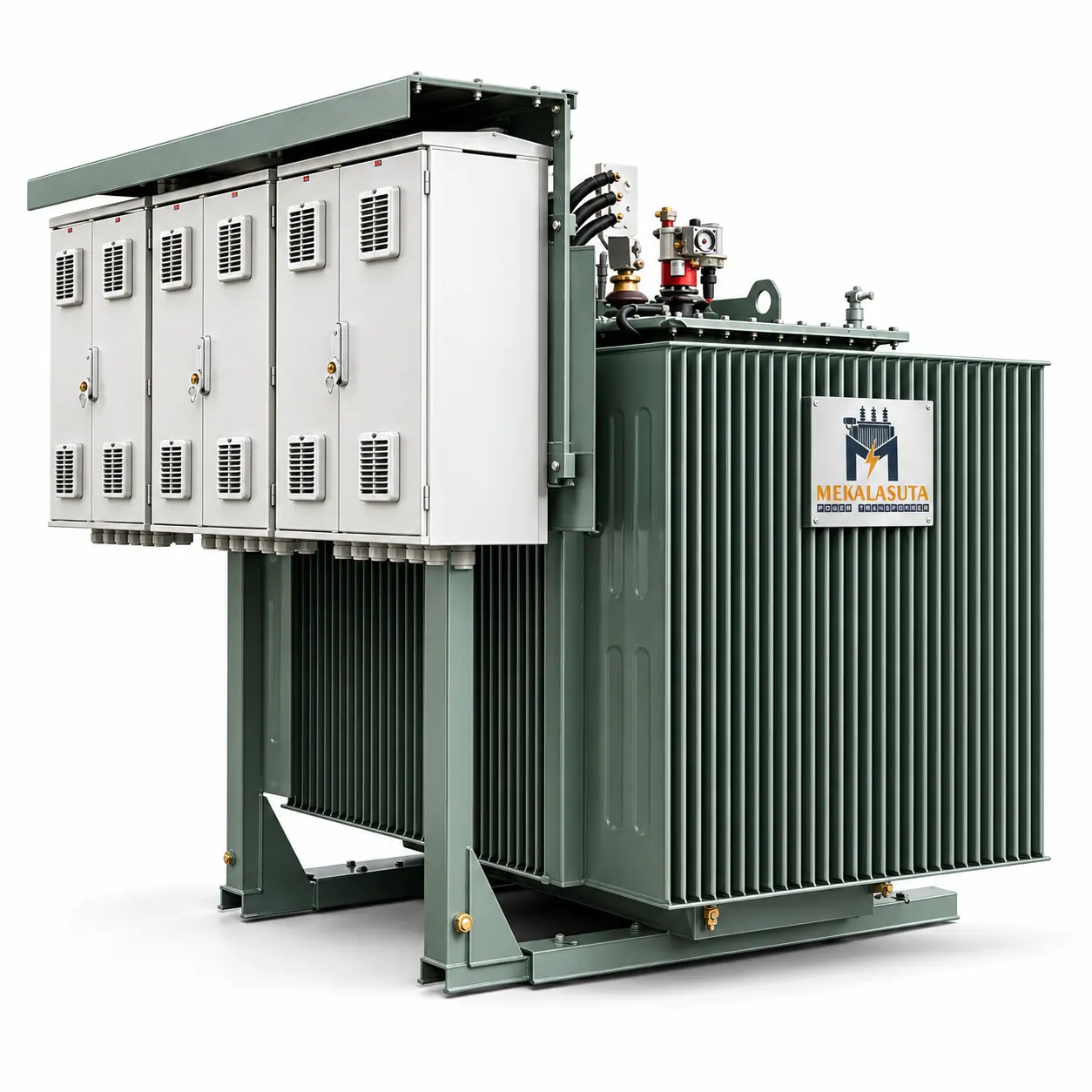
Custom oil-cooled and air-cooled transformers for non-standard requirements: furnace, welding, earthing, auto and rectifier duty among them.
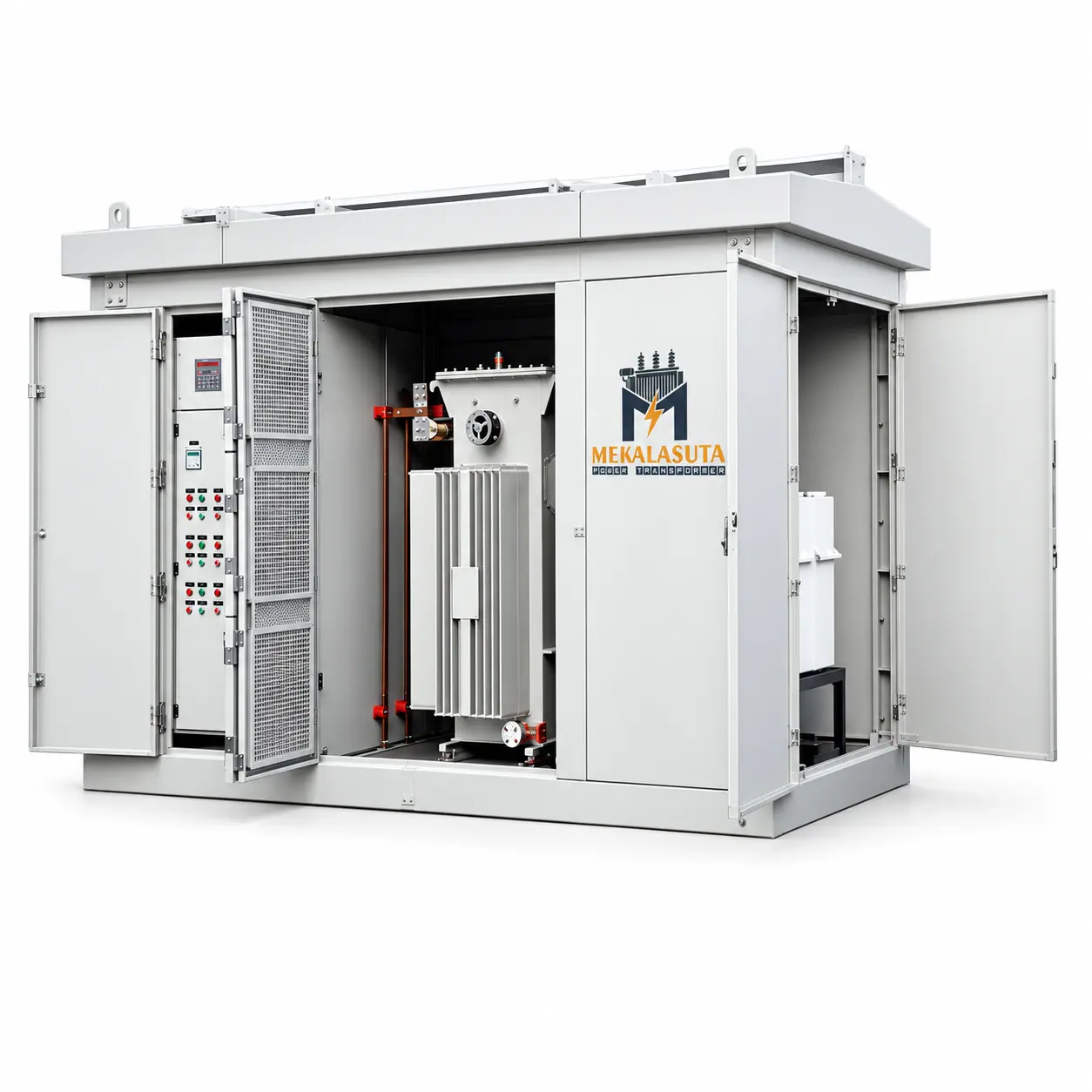
Factory-assembled, ready-to-install substations combining MV switchgear, transformer and LV switchboard in a single compact enclosure.
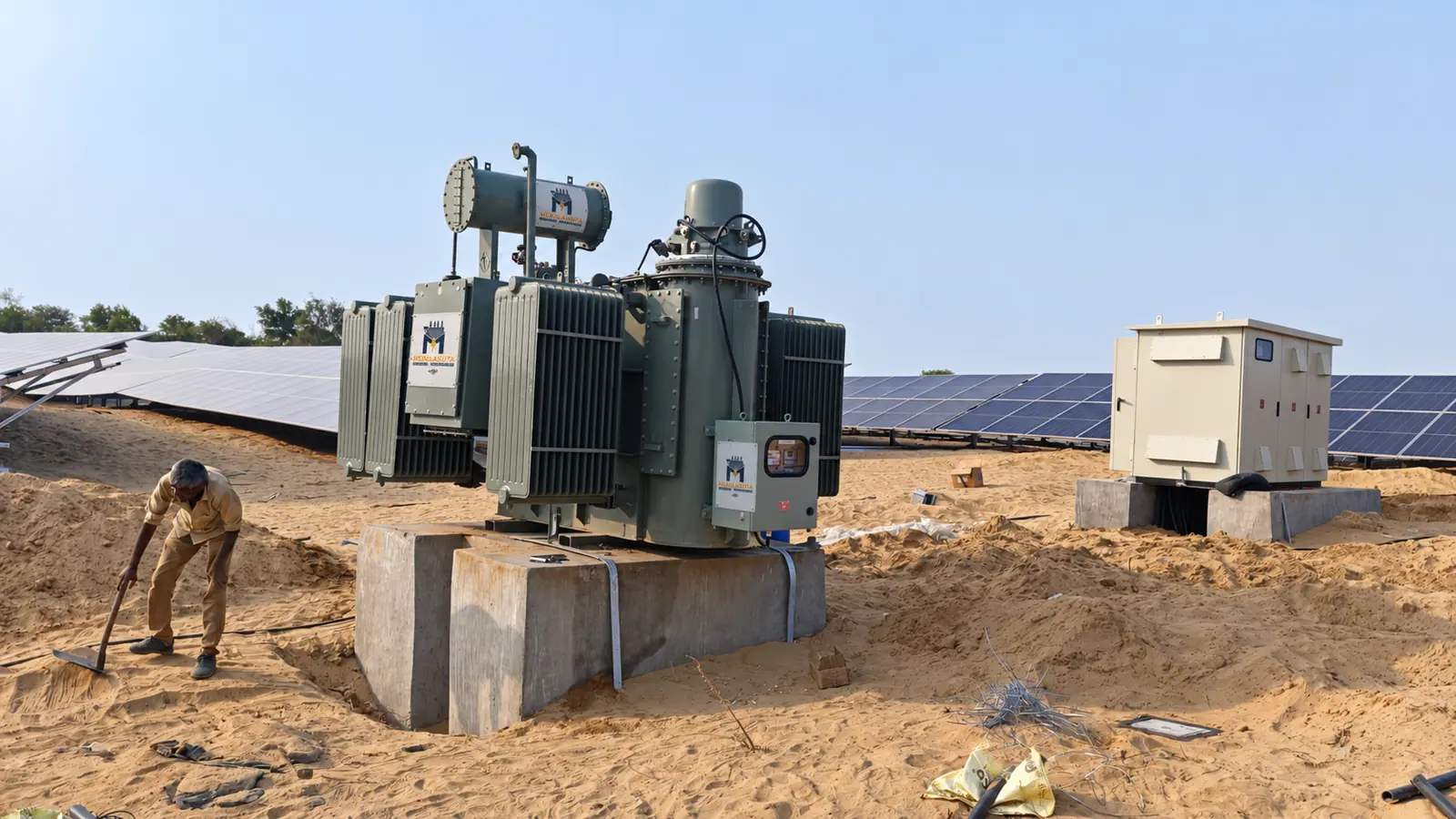
Inverter duty transformers (IDT) for solar and wind plants, designed around a duty cycle that swings every day and harmonic loading from the inverter.
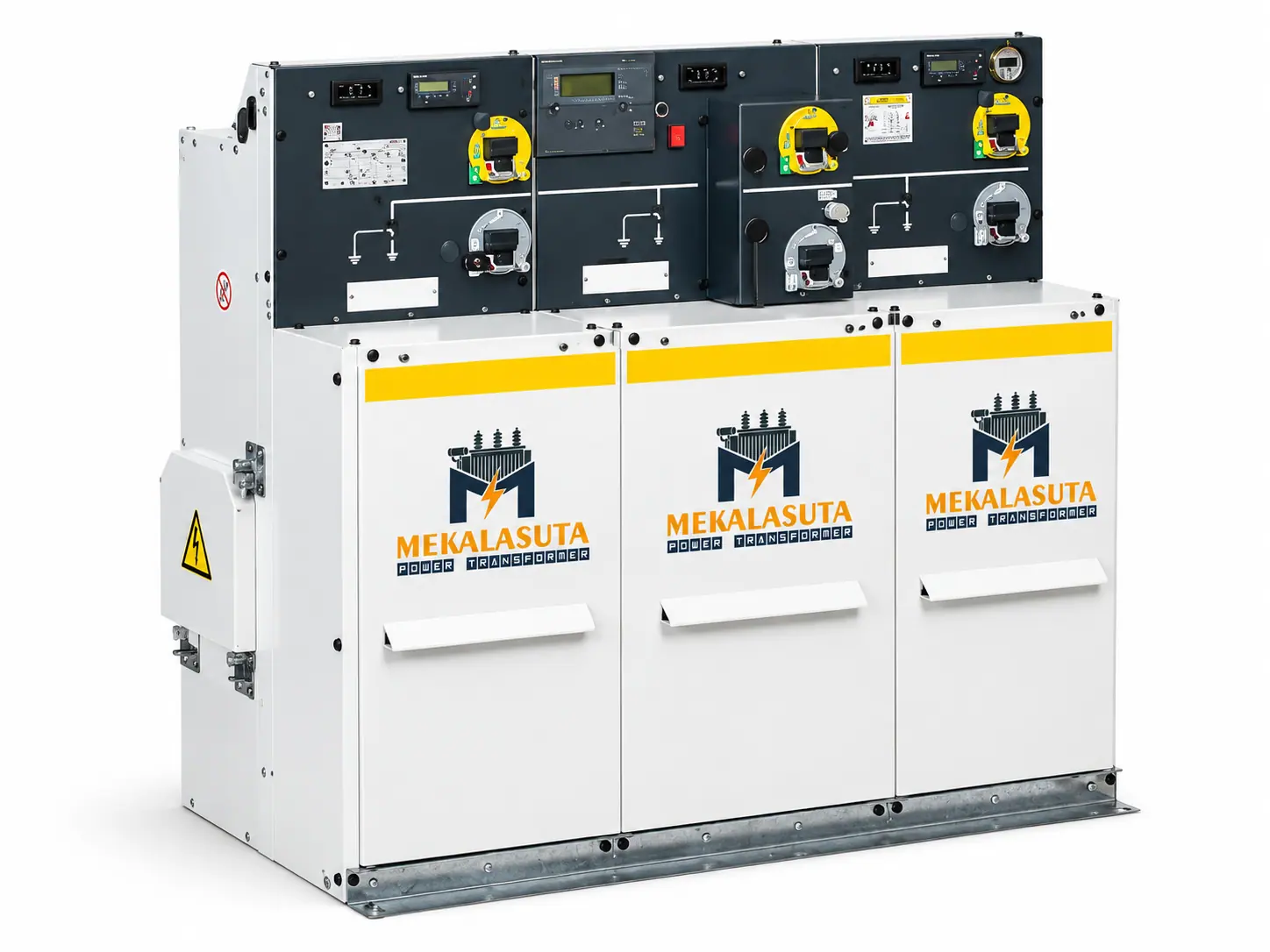
Metal-clad ring main units for medium-voltage secondary distribution networks, protecting downstream transformers with load-break and circuit-breaker switching.
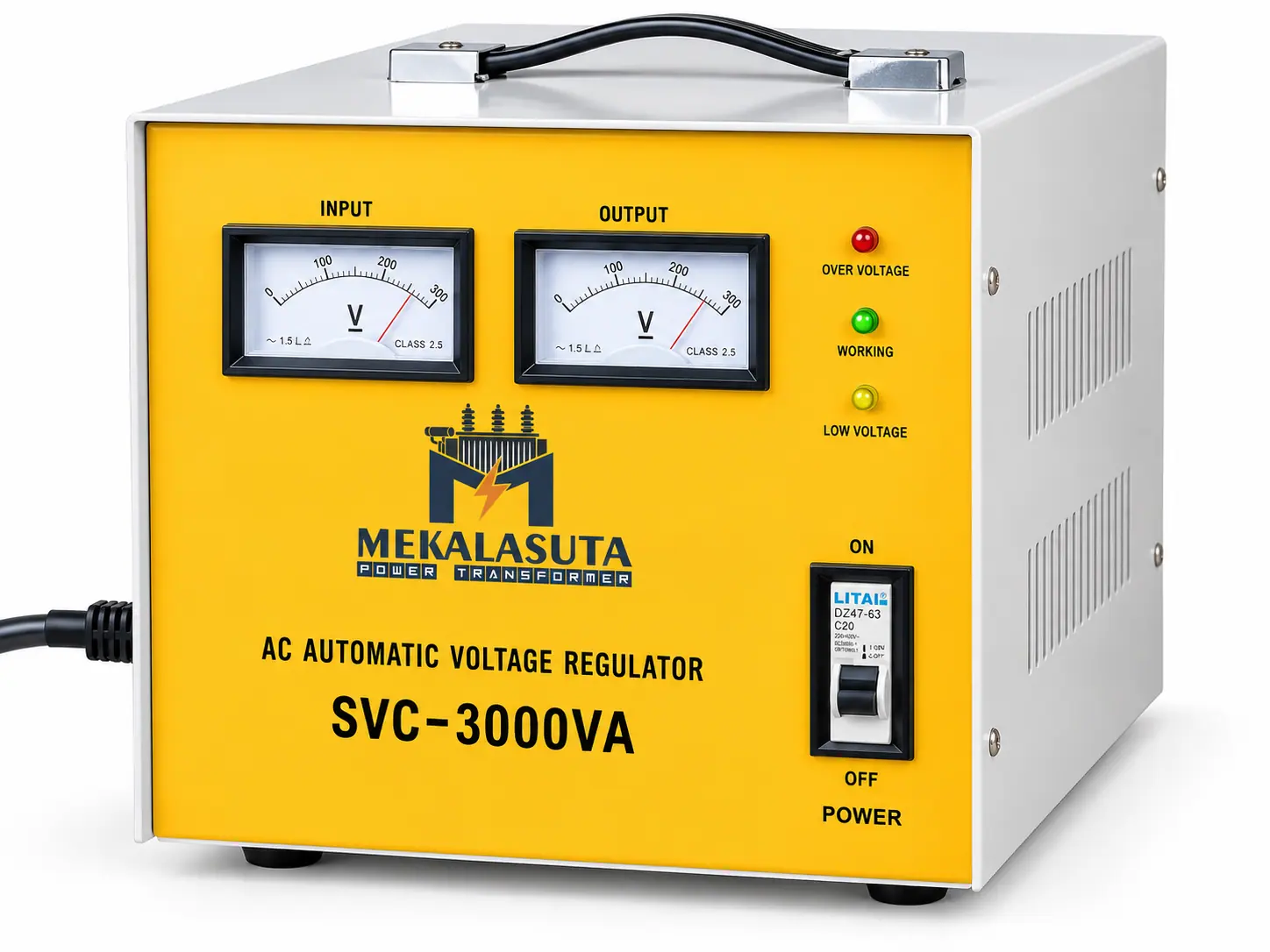
Automatic voltage correction for sites on weak or swinging feeders, sized to connected load and worst-case input, not nameplate alone.
End-to-end substation and distribution project execution: design, supply, erection, testing and commissioning under one point of accountability.
Frequently Asked Questions
An inverter-duty transformer is designed to handle the harmonic content and switching ripple produced by solar or wind inverters, which a standard distribution transformer is not optimised for. Core and winding design account for the additional harmonic loading so the unit does not overheat or lose life prematurely under that duty.
Inverter output carries harmonic frequencies well above the fundamental, which increase eddy-current and stray losses in a transformer not designed for it. An inverter-duty design accounts for this in the core and winding to avoid excess heating and reduced service life.
Off-circuit tap switches are common, since solar and wind plants usually need only occasional voltage adjustment rather than continuous under-load correction. Confirm your grid connection requirement with us and we will recommend the right tap arrangement.
The fundamentals are the same — oil, breather, terminations and thermal monitoring — though duty cycles tied to daily generation patterns are worth factoring into your inspection interval. See our general maintenance schedule as a starting point.
Get in touch
Tell us about your project and our engineering team will help you identify the right equipment or custom solution.